
November’s Mouth Cancer Action Month is approaching, offering a useful moment to make mouth awareness part of everyday health conversations. The campaign is organised by the Oral Health Foundation to help people recognise changes and seek advice. Awareness means knowing when to arrange a check, rather than trying to diagnose a condition yourself.
A November campaign with a practical purpose
The Oral Health Foundation’s 2026 campaign page describes a month devoted to awareness of mouth cancer and its signs. Its message can be shared without frightening people or suggesting that a common symptom automatically means cancer.
A helpful conversation starts with clear information and a practical next step. If something has changed in your mouth, make a note of what you have noticed and ask a healthcare professional about it. You do not have to decide what caused it before seeking help.
Changes the NHS says should be checked
The NHS mouth cancer symptoms guidance advises seeing a GP for a mouth ulcer lasting more than three weeks, a red or white patch, a lump in the mouth, lip, neck or throat, or mouth pain that is not going away. Persistent hoarseness and difficulty swallowing or speaking also need attention. A dentist can help with ulcers, lumps, patches or mouth pain.
The NHS explains that these symptoms are common and may have other causes. Having one does not establish that you have cancer. Getting checked matters because, if cancer is the cause, finding it early may make treatment easier.
Prepare a clear description
Before an appointment, write down when you first noticed the change, whether it has altered and which symptoms you want to discuss. Bring the questions that matter to you. A short note can be easier to use than trying to recall everything while feeling worried.
For example, describing how long an ulcer has been present is more useful than assuming it is “probably nothing”. Give the professional the facts you know and explain what remains uncertain. Let them assess the significance.
Keep online information in perspective
Photographs on the internet cannot reliably tell you what a change in your own mouth means. Different conditions may look similar, and a photograph cannot replace an examination. Use authoritative information to decide to seek advice, rather than repeatedly comparing images while delaying an appointment.
When sharing campaign information, link to the source and include the action it recommends. Avoid presenting another person’s experience as a prediction of what will happen to someone else.
Make awareness useful beyond November
The campaign provides a reminder, but concerns deserve attention whenever they arise. Keep a record of advice you receive and ask about the next step if you are unsure what will happen after an appointment.
This is general public health information, not an individual assessment. For a persistent ulcer or another concerning change, contact a GP or dentist rather than waiting for the campaign to begin or for your next routine visit.
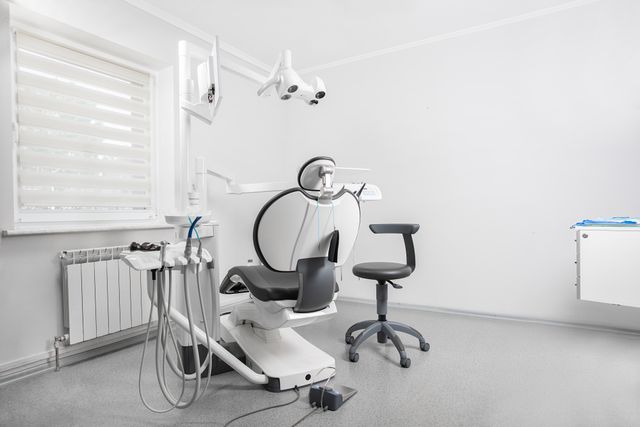
Information checked 25 October 2026. Illustrative dental clinic in Kyiv, not Wimborne Dental Health Practice. Photo: MM Dental / Pexels (licence).